
The Transformation of Retail Spaces in the E-commerce Era
The advent of the internet and e-commerce has drastically changed the traditional retail landscape. With the convenience and ease of online shopping, more and more consumers are choosing to make their purchases online rather than in physical stores. This shift in consumer behavior has forced retailers to rethink their strategies and adapt to the new reality of the e-commerce era.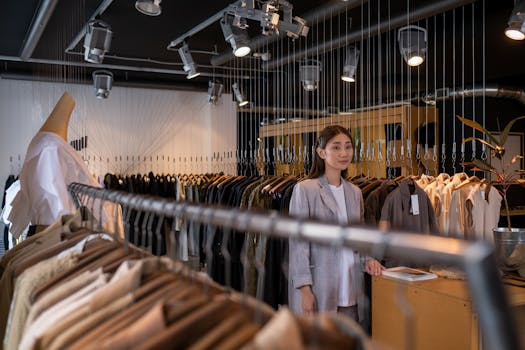
The Decline of Brick and Mortar Stores
The rise of e-commerce has seen a decline in brick and mortar stores, especially in the retail sector. In the past decade, we have seen prominent retailers close down physical stores and shift their focus to online sales. This trend is evident in the closure of major department stores such as Sears, Macy’s, and JCPenney, among others.
One of the primary reasons for the decline of brick and mortar stores is the convenience offered by online shopping. With just a few clicks, consumers can browse through a wide range of products, compare prices, and make purchases without having to leave the comfort of their homes. This has made traditional stores less appealing, especially for time-poor consumers.
The Need for Transformation of Retail Spaces
The rise of e-commerce has not only caused a decline in brick and mortar stores but has also disrupted the retail industry as a whole. In order to survive and thrive in the e-commerce era, retailers need to transform their physical spaces and adapt to the changing consumer behavior.
One of the ways in which retailers are transforming their spaces is by integrating technology into their stores. This includes implementing interactive displays, using virtual and augmented reality to enhance the shopping experience, and incorporating mobile technology to provide a seamless shopping experience for customers.
Retailers are also diversifying their offerings in-store to entice consumers to visit physical stores. This includes creating in-store experiences such as cafes, beauty salons, and events, which cannot be replicated online. This not only increases foot traffic but also creates a more holistic and immersive shopping experience for customers.
The Role of Data and Analytics
In the e-commerce era, data is king. Retailers are utilizing data and analytics to understand consumer behavior, preferences, and buying patterns. This information is crucial in developing effective marketing strategies and improving the overall shopping experience for customers.
Data and analytics also play a vital role in the transformation of retail spaces. Retailers are using data to optimize store layouts, product placement, and inventory management. This not only improves the shopping experience but also increases efficiency and profitability.
The Future of Retail Spaces
As technology continues to advance and e-commerce continues to dominate the retail industry, the transformation of retail spaces is likely to continue. Retailers will have to constantly adapt and innovate to keep up with the ever-changing consumer landscape.
In the future, we can expect to see even more integration of technology in physical stores, such as the use of artificial intelligence and automation. The concept of a cashier-less store, where customers can simply pick up items and walk out without having to go through a traditional checkout process, is already being tested by major retailers.
Moreover, the integration of e-commerce and brick and mortar stores is becoming increasingly prevalent. Retailers are adopting the omnichannel approach, where customers can seamlessly shop both online and in-store, giving them more options and flexibility in their shopping experience.
In Conclusion
The rise of e-commerce has caused a significant transformation in the retail industry, and the decline of brick and mortar stores is evident. However, this change is not necessarily a negative one. Retailers that embrace the transformation of retail spaces and adapt to the e-commerce era are sure to thrive and stay relevant in the ever-evolving retail landscape.
By utilizing technology, data, and analytics, and providing a more holistic and immersive shopping experience, retailers can not only survive but also thrive in the e-commerce era. It is safe to say that the transformation of retail spaces is just beginning and the future of retail is bound to be even more exciting.