
Understanding the Impact of Music Festivals on Local Culture
When we think of music festivals, we often associate them with great music, delicious food, and spending time with friends. However, these events have a much larger impact on our society than we realize. They have the power to shape local culture, bring communities together, and even drive economic growth. In this article, we will delve into the various ways that music festivals impact local culture, and how they shape the cities and communities that host them.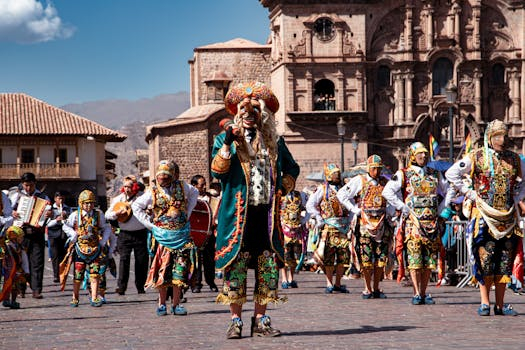
The Cultural Significance of Music Festivals
Music has always been a powerful medium to express oneself and connect with others. And music festivals take this experience to a new level. They provide a platform for artists to showcase their talents, and for audiences to immerse themselves in a diverse range of music genres. But beyond the music itself, music festivals also have a significant cultural impact on the communities they take place in.
Preserving and Celebrating Local Culture
One of the ways music festivals contribute to local culture is by celebrating and preserving it. Many music festivals, especially in smaller towns and cities, showcase local artists and musicians, giving them a platform to share their work and connect with a wider audience. This not only supports the local music scene but also helps preserve and promote the unique cultural heritage of the community.
Moreover, music festivals also often incorporate local elements into their event, such as traditional food, crafts, and activities. This not only adds to the overall experience for attendees but also provides an opportunity to educate them about the local culture and traditions.
Fostering Community and Social Connections
Music has the power to bring people together, regardless of their backgrounds. And music festivals, with their diverse lineup of artists and attendees, create a sense of community and inclusivity. They provide a space for people to come together, bond over a shared love for music, and make new connections. This not only fosters a sense of belonging but also creates a positive impact on the overall well-being of individuals and the community.
Furthermore, music festivals often partner with local businesses and organizations, giving them a platform to showcase their products and services. This not only boosts the local economy but also supports the growth of small businesses and strengthens the community.
The Economic Impact of Music Festivals
In addition to their cultural significance, music festivals also have a significant economic impact on the communities they are held in. According to a study by Music Canada, music tourism generated over $2 billion in spending in 2019, with music festivals being a key driver of this revenue.
Revenue for Local Businesses
Music festivals attract large crowds, and with them comes an influx of spending in the local economy. Attendees spend money on various things, from food and drinks to souvenirs and accommodation. This not only benefits the festival itself but also supports local businesses, such as restaurants, hotels, and shops. Music festivals also create job opportunities, both directly and indirectly, such as event staff, security, and vendors, further boosting the local economy.
Boosting Tourism
Music festivals often attract visitors from other cities, states, or even countries. This not only brings in additional revenue but also promotes the city or town as a tourist destination. With social media playing a significant role in driving travel decisions, music festivals can also serve as a marketing tool for the local community, enticing visitors to explore and experience more of what the city has to offer.
The Environmental Impact of Music Festivals
As music festivals continue to grow in popularity, concerns about their environmental impact have also come to light. However, many festivals have taken steps to reduce their environmental footprint, using eco-friendly practices and promoting sustainability initiatives.
Promoting Sustainability
Many music festivals have made efforts to reduce waste and promote sustainability. From using biodegradable products to implementing recycling and composting programs, these initiatives not only reduce the environmental impact of the event but also raise awareness among attendees. Some festivals even allocate a percentage of ticket sales to environmental causes, further demonstrating their commitment to sustainability.
Community Engagement and Education
Moreover, music festivals have the power to educate and inspire individuals to make a positive impact on the environment. By involving attendees in interactive activities, workshops, and talks, festivals can educate them about different environmental issues and ways to create a more sustainable future. This creates a ripple effect, as attendees take the knowledge and practices they learn at the festival back to their communities.
Conclusion
Music festivals have a profound impact on local culture, society, and the economy. From promoting and preserving local culture to driving economic growth and promoting sustainability, these events bring people together and create a positive impact on the communities they are held in. As music festivals continue to evolve and grow, their impact on local culture will only continue to strengthen, making them an essential part of our cultural landscape.