
Veterinary Medicine Careers: Caring for Animal Health
When it comes to animal health, there are few professions as vital as veterinary medicine. These dedicated professionals spend years studying and training to ensure the well-being of our beloved pets and other animals. But beyond just treating sick or injured animals, there is a diverse range of careers in veterinary medicine that allow individuals to make a difference in the lives of creatures big and small. From clinical work to research and public health, the field of veterinary medicine offers a variety of opportunities to care for animal health. Let’s dive deeper into the world of veterinary medicine careers and the important role they play in protecting and improving animal well-being.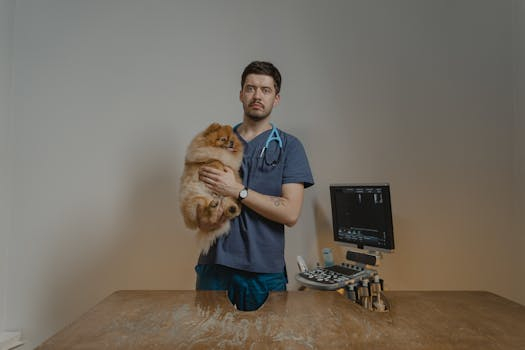
The Basics of Veterinary Medicine Careers
Before delving into the specific careers within veterinary medicine, it’s important to understand the fundamentals of this field. Veterinary medicine is a branch of medical science that focuses on the prevention, diagnosis, and treatment of diseases, injuries, and disorders in animals. This can include everything from small companion animals like cats and dogs, to livestock such as cows and horses, and even exotic species like reptiles and birds.
There are several different pathways to becoming a veterinarian, with most individuals earning a Doctor of Veterinary Medicine (DVM) degree from an accredited veterinary college. This typically requires a pre-veterinary undergraduate degree, followed by four years of veterinary school. Along with gaining comprehensive knowledge of animal biology and health, veterinary students also gain hands-on experience through clinical rotations and internships.
Clinical Veterinary Medicine Careers
The most commonly thought of veterinary career is that of a clinical veterinarian, also known as a general practitioner or GP. These are the veterinarians that we often visit for our pets’ annual check-ups, vaccinations, and any medical concerns or emergencies. In this role, vets perform physical examinations, diagnose and treat illnesses, and prescribe medications.
Specialty Veterinary Medicine
Beyond general practice, there are also many specialties within veterinary medicine that require additional training and education. Some of these specialties include:
1. Veterinary Surgeon
Surgeons perform a variety of surgical procedures, from routine spays and neuters to more complex surgeries like orthopedics and neurosurgery. These veterinarians have advanced knowledge of anatomy, physiology, and surgical techniques to help animals improve mobility, relieve pain, and correct deformities.
2. Veterinary Dentist
Similar to human dentists, veterinary dentists specialize in the diagnosis and treatment of oral diseases and conditions. They perform procedures such as dental cleanings, extractions, and root canals to maintain the oral health of animals.
3. Veterinary Anesthesiologist
Just like in human medicine, anesthesiologists are responsible for administering and monitoring anesthesia during surgeries, as well as managing pain control before, during, and after procedures. These veterinarians must have in-depth knowledge of different anesthetic drugs and how they affect animals.
4. Veterinary Dermatologist
Dermatologists specialize in the diagnosis and treatment of skin, hair, and nail disorders in animals. They may also treat allergies, immune-mediated diseases, and skin cancers in their patients.
Research and Public Health Careers in Veterinary Medicine
While clinical work is a crucial part of veterinary medicine, there are also several other career options for those interested in animal health. These jobs often involve research, teaching, and promoting public health and disease prevention. Here are a few examples:
1. Veterinary Public Health
Veterinary public health focuses on protecting and improving the health of both animals and humans. These professionals may work in government agencies, such as the Centers for Disease Control and Prevention (CDC), to monitor and prevent the spread of diseases between animals and humans.
2. Veterinary Pathologist
Pathologists study the cause and development of diseases in animals through laboratory testing and analysis. This information is used to better understand and treat diseases in animals, as well as to identify any potential risks to humans.
3. Veterinary Toxicologist
Toxicologists study the effects of poisons and toxins on animals, including how they enter the body, how they affect different species, and how to prevent and treat poisonings. They may work in research, government, or private industries.
4. Veterinary Teacher/Professor
For those who are passionate about educating the next generation of veterinarians and animal health professionals, becoming a teacher or professor at a veterinary school or college is a fulfilling career option. This allows individuals to share their knowledge and inspire others to pursue a career in veterinary medicine.
The Importance of Veterinary Medicine Careers
While it’s clear that veterinary medicine careers offer a diverse range of specialties and opportunities, the most important aspect of these professions is their impact on animal health. Veterinarians and other veterinary professionals play a crucial role in not only keeping animals healthy, but also in preventing and treating diseases that can affect both animals and humans.
Furthermore, through their work, veterinary medicine professionals also play a vital role in the overall well-being of society. Healthy animals mean healthier ecosystems and safer food sources, making this field essential for human health as well.
Conclusion
Veterinary medicine careers offer a unique blend of science, compassion, and service to both animals and humans. Whether it’s through clinical care, research, or public health initiatives, these professionals have a profound impact on protecting and improving the health and well-being of all creatures. By choosing a career in veterinary medicine, individuals can make a positive difference in the lives of animals and the world in which we all live.