The Crucial Role of Merchandising in Fashion Retail Success
When walking down the streets of any major city, it’s impossible to ignore the colorful storefronts of fashion retailers, beckoning us in with their trendy displays and artfully styled mannequins. The allure of the fashion industry is undeniable, with its constantly evolving trends and ability to make us feel confident and express ourselves through clothing. Behind every successful fashion retail store, however, there is a crucial element that often goes unnoticed by the average consumer – merchandising. In this article, we will delve into the crucial role of merchandising in fashion retail success and how it can make or break a store’s profitability and appeal to consumers.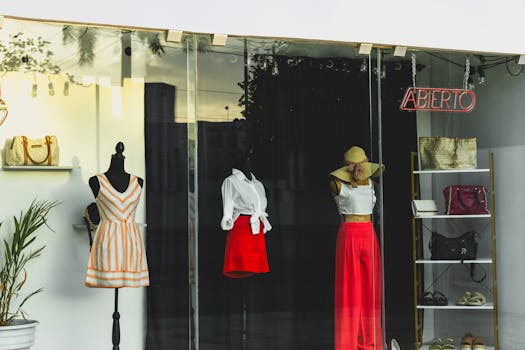
The art of merchandising
Merchandising is more than just arranging clothes on racks or creating aesthetically pleasing displays. It is a combination of art and science, utilizing consumer behavior and market trends to drive sales and create a unique shopping experience. The main goal of merchandising is to maximize the store’s profits by showcasing the right products in the right way.
One of the key components of merchandising is visual merchandising, which involves creating eye-catching displays and layouts that attract and engage customers. From window displays to in-store setups, these visual merchandising strategies are crucial in creating a brand identity and telling a story through the products. For instance, a bohemian style retailer may use natural elements and earthy color schemes to convey a laid-back and free-spirited vibe, while a luxury brand may use sleek and modern displays to exude sophistication.
Driving sales through product placement
Merchandising is not just about creating a visually appealing store. It also involves strategic product placement to drive sales and increase the store’s profitability. Merchandisers closely monitor sales data and consumer behavior to determine which products are selling well and which are not. They then use this information to place the best-selling products at eye level and in high traffic areas, making them more noticeable and accessible to customers.
Moreover, merchandisers also use cross-merchandising techniques to promote complementary products. For example, a fashion retailer may display a pair of shoes next to a dress or a scarf next to a jacket, encouraging customers to purchase more items and increasing the store’s revenue.
Keeping up with trends and seasons
In the fast-paced world of fashion, trends change at lightning speed. This is where merchandising becomes crucial, as it involves staying on top of the latest trends and incorporating them into the store’s product offerings. Merchandisers work closely with buyers and designers to ensure that the store’s merchandise is relevant and appealing to the current market. They also plan for upcoming seasons and events, such as holidays and fashion week, to stock the right products and capitalize on consumer demand.
The impact of effective merchandising on fashion retail success
The importance of merchandising in the success of a fashion retail store cannot be overstated. A well-merchandised store not only attracts customers but also keeps them engaged and encourages them to make a purchase. By utilizing effective merchandising techniques, stores can increase their sales and revenue, build customer loyalty, and create a strong brand identity that sets them apart from their competitors.
In today’s digital age, where online shopping is becoming increasingly popular, merchandising has also extended to e-commerce platforms. Online retailers use merchandising to create visually appealing websites, curate product collections, and personalize product recommendations, all in an effort to replicate the in-store shopping experience and drive sales.
In conclusion
From creating captivating displays to strategically placing products to staying on top of industry trends, merchandising is a crucial element in the success of fashion retail stores. It requires a combination of creativity, analytical skills, and knowledge of consumer behavior to effectively drive sales and create a unique shopping experience for customers. By understanding and utilizing the art of merchandising, fashion retailers can reach greater heights of success and stand out in an increasingly competitive market.