Understanding the Role of Play in Developing Social Skills
Play is often viewed as simply a form of entertainment for children, but it is much more than that. As children engage in play, they are developing a wide range of skills that will benefit them for the rest of their lives. One of the most important skills that children develop through play is social skills. In fact, play and social development go hand in hand. In this article, we will dive into the world of play and explore the critical role it plays in developing social skills. We will discuss what social skills are, how play and social skills are connected, and provide tips on how parents and educators can utilize play to help children develop strong social skills.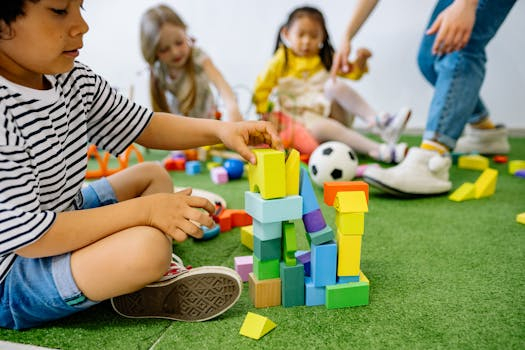
The Importance of Social Skills
Social skills are the abilities that we use to communicate and interact with others. These skills include things like taking turns, sharing, listening, expressing emotions, and problem-solving. Social skills are essential for navigating daily interactions with peers, family, and the larger community. They are crucial for forming relationships, building self-esteem, and promoting positive mental health. When children have strong social skills, they are better equipped to handle challenging situations, communicate effectively, and develop friendships. These skills continue to be important throughout a person’s life, from school to the workplace and beyond.
The Connection between Play and Social Skills
When we think of play, we often think of it as something that children do for fun. However, play is actually a fundamental part of a child’s development. Through play, children learn and practice a variety of skills, including social skills. Play allows children to explore their surroundings, test boundaries, and interact with others in a low-pressure, non-judgmental setting. This freedom and creativity in play provide the perfect environment for children to develop and practice social skills.
Communication and Language Skills
One of the primary ways that children develop social skills through play is through communication. As children engage in pretend play, they use language to express their thoughts and ideas. This practice helps them develop their vocabulary, sentence structure, and overall communication skills. They also learn how to listen and respond to others, building the foundation for healthy communication in their relationships.
Solving Conflicts and Problem-Solving Skills
Conflict is a natural part of life, and children will inevitably face disagreements with their peers. Through play, children learn how to work through conflicts and solve problems. For example, during a game of make-believe, children may disagree on the rules or how to act out a scene. This gives them the opportunity to practice communicating, taking turns, and finding solutions to problems. These skills will help them navigate conflicts in their relationships and learn to compromise.
Empathy and Emotional Intelligence
Play also helps children develop empathy and emotional intelligence. As children engage in pretend play, they take on different roles and act out various scenarios. Through this process, they learn how to see things from others’ perspectives, understand their emotions, and respond appropriately. For example, a child playing the role of a teacher may understand the challenges their classmates face from a teacher’s perspective, leading to a more empathetic approach to their interactions.
How to Utilize Play to Develop Social Skills
Play can be incorporated into daily routines and structured activities to help children develop social skills. Here are some tips on how to use play to promote social development:
Encourage imaginative play
Allow children to engage in open-ended playtime where they can use their imaginations to create their own stories and scenarios. This type of play encourages creativity, problem-solving, and social interaction.
Provide opportunities for cooperative play
Cooperative play involves group activities where children work together to achieve a common goal. This type of play promotes teamwork, communication, and leadership skills.
Model good social behaviors
Children learn from watching those around them. As adults, we can model good social behaviors by communicating effectively, listening actively, and practicing empathy and understanding.
Conclusion
Play is a powerful tool for promoting social development in children. Through play, children can develop important skills that will benefit them for the rest of their lives. As parents and educators, it is essential to recognize the role that play plays in developing social skills and to provide children with opportunities to engage in different types of play. By understanding the connection between play and social skills, we can create an environment where children can thrive and develop strong relationships with others.