
Developing an Appreciation for Diverse Learning Styles
In today’s diverse and ever-changing world, it’s important to recognize that not everyone learns in the same way. Different individuals have different learning styles, and as educators, it’s our responsibility to ensure that we cater to this diversity by developing an appreciation for diverse learning styles. By understanding and embracing these differences, we can create an inclusive and effective learning environment for all. In this article, we will explore the concept of diverse learning styles and discuss how we can implement strategies to support and celebrate them.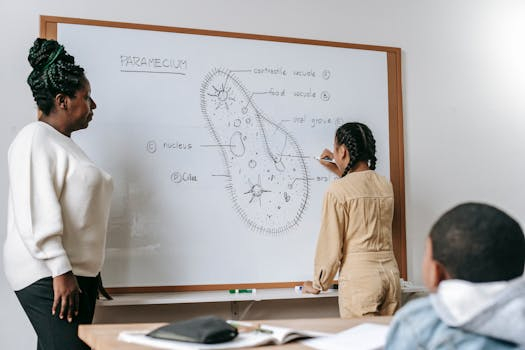
The Importance of Understanding Diverse Learning Styles
Before delving into the specific learning styles, it’s crucial to understand why it’s necessary to develop an appreciation for them. First and foremost, recognizing and accommodating diverse learning styles can greatly enhance the learning experience. When students are taught using methods that align with their way of learning, they are more likely to engage with the material and retain the information.
Moreover, in a diverse classroom, where students come from different cultural backgrounds, it’s also essential to understand that their learning styles may be influenced by their culture. By acknowledging and incorporating these cultural differences, we foster a sense of inclusivity and respect, which can lead to a more positive and harmonious learning environment.
The Different Learning Styles
It’s important to note that there are different models and theories of learning styles, and no single method is universally accepted. In this article, we will be discussing three major learning styles – visual, auditory, and kinesthetic – as identified by the popular VAK (visual, auditory, kinesthetic) model.
Visual Learners
Visual learners rely heavily on visual aids such as pictures, diagrams, and graphs to understand and retain information. They need to see, visualize, and organize the information in their minds. They also prefer to study in a quiet and well-lit environment without any distractions. As an educator, incorporating visual aids in your teaching – such as using slides, videos and providing handouts – can greatly benefit visual learners.
Auditory Learners
For auditory learners, listening and hearing are key to their learning process. They prefer lectures, discussions, and audio recordings where they can listen to and process information through their sense of hearing. To cater to these learners, it’s essential to use a clear and engaging speaking voice, provide ample opportunities for discussions and debates, and use audio recordings or podcasts to supplement classroom learning.
Kinesthetic Learners
Kinesthetic learners, also known as tactile learners, learn best through hands-on activities. They need to physically engage with the material to understand and retain it. These learners may struggle in traditional classroom settings, where they are expected to sit and listen passively. To cater to kinesthetic learners, educators can incorporate activities such as group projects, role-playing, and physical exercises to make the learning experience more interactive and engaging.
Tips for Supporting Diverse Learning Styles
Now that we have explored the different learning styles, let’s discuss some practical tips for supporting and celebrating these differences in the classroom.
1. Get to Know Your Students
One of the first things you can do as an educator is to get to know your students – their names, interests, and learning preferences. This will not only help you understand their diverse learning styles but also build a strong rapport with them.
2. Incorporate Various Teaching Strategies
To cater to different learners in your classroom, it’s crucial to incorporate various teaching strategies such as visual aids, discussions, and hands-on activities. This ensures that all students have an opportunity to engage with the material in a way that best suits them.
3. Encourage Collaboration
Inclusivity and diversity can also be promoted through collaboration and group work. Encourage students to work together, and assign roles that align with their strengths and learning styles. This will not only foster a sense of appreciation for diverse learning styles but also develop important teamwork skills.
4. Create a Supportive Environment
A supportive and positive learning environment is crucial for students of all learning styles but can be especially beneficial for those who may struggle in traditional classroom settings. As an educator, strive to create a welcoming and inclusive space for all students, where they feel comfortable expressing their opinions and asking for help.
In Conclusion
In today’s diverse world, it’s essential to recognize and appreciate the differences that exist in terms of learning styles. As educators, it’s our responsibility to cater to these diverse needs and create a inclusive and effective learning environment for all students. By embracing and celebrating diverse learning styles, we can ensure that every student has the opportunity to reach their full potential.