
The Role of Augmented Reality in the Shopping Experience
The shopping experience has come a long way in recent years. With the rise of e-commerce and online retail, consumers have been given the convenience of buying products from the comfort of their own homes. But as technology continues to advance, brick and mortar stores are finding new ways to attract customers and provide a unique shopping experience. One technology that has been gaining popularity in the retail industry is augmented reality (AR). In this article, we will explore the role of AR in the shopping experience and how it is transforming the way we shop.
What is Augmented Reality?
Before we dive into the role of augmented reality in shopping, let’s first understand what it is. Augmented reality is the integration of computer-generated images and virtual objects into a real-world environment. This technology allows for a more interactive and immersive experience, blurring the lines between the physical and digital world.
The Rise of AR in Shopping
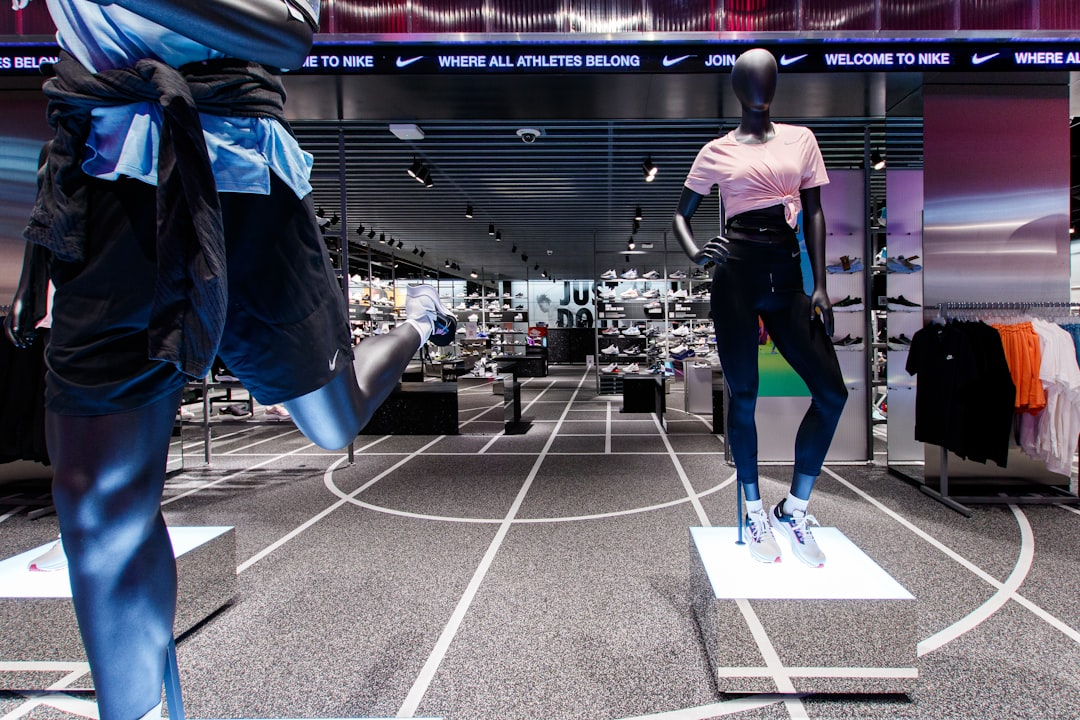
The use of AR in shopping has been on the rise in recent years. Companies like IKEA, Sephora, and Nike have all integrated AR into their shopping experience, allowing customers to virtually try out furniture, makeup, and shoes. This technology has opened up a whole new world of opportunities for retailers to engage with their customers.
Enhancing the In-Store Experience
In-store shopping can be a mundane task for some, but with the use of AR, it can become an exciting and interactive experience. For example, clothing stores can use AR to provide customers with virtual fitting rooms. This not only eliminates the need for trying on multiple outfits but also allows customers to see how the outfit would look on them before making a purchase. This can also reduce the hassle of having to return items that don’t fit.
In-store signage and displays can also be enhanced with AR technology. By using their smartphones, customers can scan certain products or images to reveal 3D models, videos, or other interactive elements. This can make the shopping experience more engaging and informative.
Personalization and Customization
AR can also play a significant role in personalization and customization for customers. With the use of AR, customers can see how a certain product would look in their home or on their body before making a purchase. This not only gives them a better idea of the product but also makes them feel more confident in their purchase decision. AR can also be used to create custom products, from clothing to furniture, giving customers a one-of-a-kind shopping experience.
The Impact on Online Shopping
While the use of AR in brick and mortar stores is on the rise, it is also making an impact on the e-commerce industry. Online retailers are using AR to overcome the challenge of not being able to physically try out products before purchasing. By using AR technology, customers can get a better sense of the product and make a more informed decision. This has not only led to an increase in sales but also a decrease in returns.
The Future of Shopping
As technology continues to evolve, the potential for AR in the shopping experience is endless. With the use of virtual reality (VR), customers can soon have a fully immersive shopping experience from the comfort of their own homes. This could include virtual stores, personalized ads, and the ability to touch and feel virtual products.
In addition to enhancing the shopping experience, AR also presents a significant opportunity for retailers to gather data and insights on their customers. By tracking their behavior and preferences, retailers can tailor their products and services to meet their customers’ needs.
Conclusion
In conclusion, the role of augmented reality in the shopping experience is rapidly evolving. It is transforming the way we shop, both online and in-store. By providing a more interactive and immersive experience, AR is bringing a new level of excitement and convenience to the retail industry. As technology continues to advance, we can expect to see even more innovative uses of AR in the future, making the shopping experience more personalized and engaging for customers.