
The Dynamics of Housing Bubbles and Preventing Investment Pitfalls
Welcome to the world of real estate investing, where the potential for wealth and success is high, but so are the risks and pitfalls. One of the most notorious risks in the real estate market is the phenomenon of housing bubbles, which can have devastating effects on investors and the economy as a whole. In this article, we will explore the dynamics of housing bubbles and provide tips on how to prevent investment pitfalls in the face of these unpredictable market fluctuations.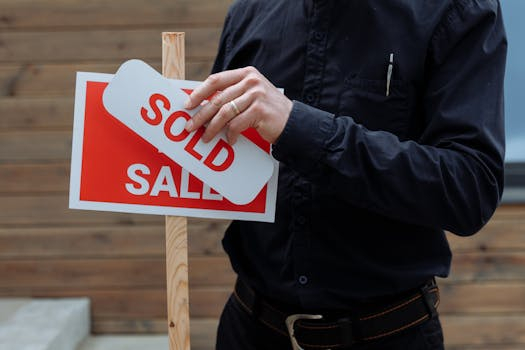
The Nature of Housing Bubbles
Housing bubbles, also known as real estate bubbles, occur when the demand for housing in a particular area or region skyrockets, along with the prices of the properties. This excessive demand is often fueled by easy access to credit and low interest rates, leading to a rapid increase in home prices. The market becomes overheated, and investors and speculators rush to get a piece of the action, further driving up prices. However, this inflated demand is not sustainable, and eventually, the bubble bursts, causing a sudden decline in housing prices.
The Triggers of Housing Bubbles
There are several factors that can contribute to the formation of a housing bubble. One of the most significant factors is speculation, where investors purchase properties with the sole intention of selling them for a higher price in the future. This greed-driven behavior can create a snowball effect, where everyone starts buying and selling properties at inflated prices, resulting in a bubble. Another common trigger is a surge in demand due to lax lending standards and easy access to credit. When people can borrow money easily, they tend to overextend themselves, driving up the demand for housing and creating a bubble.
The Pitfalls of Housing Bubbles for Investors
Housing bubbles can have catastrophic consequences for investors, especially those who have overleveraged themselves. When the bubble bursts, housing prices plummet, leaving investors with properties that are now worth less than what they paid for. This results in negative equity and can lead to foreclosures or bankruptcy. Moreover, housing bubbles can also cause significant economic turmoil, leading to high unemployment rates and a decline in consumer spending, ultimately affecting the real estate market as a whole.
Preventing Investment Pitfalls in the Face of Housing Bubbles
When it comes to real estate investing, knowledge is power. It is essential to do your research and understand the dynamics of the market before making any investments. This includes analyzing economic indicators such as interest rates, job growth, and population trends, as well as studying the local real estate market. Additionally, it is crucial to avoid overleveraging and to have a contingency plan in case of a market downturn. Diversifying your investments and having a long-term perspective can also help mitigate the risks of a housing bubble bursting.
In Conclusion
Housing bubbles are a significant risk for real estate investors, and it is crucial to have a thorough understanding of their nature and triggers to prevent falling prey to investment pitfalls. By being cautious, diversifying your portfolio, and having a long-term perspective, you can protect your investments and ride out the storm in the face of a housing bubble. Remember, slow and steady wins the race in the world of real estate investing.