The Transformation of Denim: From Workwear to High Fashion Staple
Denim, a sturdy, durable fabric that was once solely used in workwear garments, has transformed into a fashion staple that can be found in almost every wardrobe today. From its humble beginnings in the late 19th century as a material for miners and cowboys, denim has gone through a significant evolution to become a symbol of rebellion, youth, and versatility. This transformation from practical workwear to a high-fashion must-have has been a result of various factors, including cultural shifts, technological advancements, and the creative reinterpretation by fashion designers. In this article, we will explore the journey of denim and how it has become a prominent fashion trend that continues to evolve with time.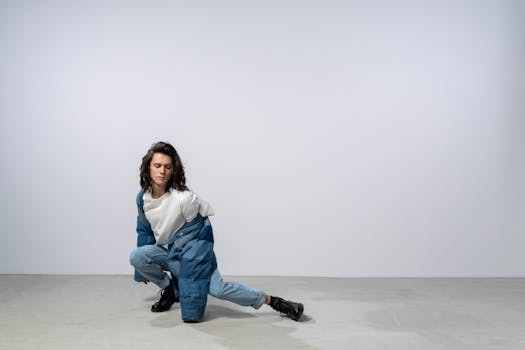
The Birth of Denim
The story of denim begins in Genoa, Italy, where a sturdy cotton fabric called ‘jeane’ was made. This fabric was used to create sails, tents, and most importantly, the clothing worn by sailors. This material was similar to what we know today as denim, but it was not until the late 19th century when the fabric was exported to the United States that it gained its new identity as ‘denim.’ The word ‘denim’ is a derivation of ‘de Nimes,’ which translates to ‘from Nimes.’ The French city of Nimes is where the Genovese fabric was first exported and widely used in the manufacture of work clothes.
Denim Goes to Work
Durable, strong, and resistant to wear and tear, denim quickly became the go-to fabric for workwear in America. Its popularity rose during the Gold Rush and when the railroads were being built, as miners and railroad workers sought comfortable, long-lasting clothing to work in. Levi Strauss, a German immigrant, recognized the potential of denim and began producing sturdy denim overalls that became popular with laborers. In the early 20th century, denim overalls were also adopted by cowboys as practical clothing on ranches and rodeos, cementing the fabric’s association with the rugged American West.
Rebellion and Pop Culture
Despite its association with labor and hard work, denim started to gain a rebellious and youthful image in the 1950s and 1960s. Iconic figures, such as James Dean and Marlon Brando, popularized the blue jeans look in movies, which was then adopted by teenagers and young adults as a symbol of non-conformity. Soon, denim was being worn by both men and women, making it a unisex fashion statement. The 1960s also saw the introduction of bell-bottom jeans, which became a popular choice among the hippie counterculture.
Denim in High Fashion
As fashion evolved in the 1970s and 1980s, denim was no longer restricted to work or casual wear. Designers started incorporating denim into their high fashion collections, making it a mainstream fabric in the world of fashion. Yves Saint Laurent, in 1969, launched his revolutionary collection ‘Liberation,’ which introduced denim to the high fashion scene and made it a symbol of youth and freedom. In the 1980s, denim became an essential part of the punk and grunge fashion movements, with distressed and ripped jeans making a statement of rebellion.
The Modern Denim Revolution
The 1990s saw a surge in designer denim wear, with brands like Calvin Klein, Diesel, and Guess introducing luxury denim lines that cost hundreds of dollars. As the demand for premium denim grew, so did the number of styles, fits, and washes available in the market. Denim became a versatile fabric that could be dressed up or down and worn for any occasion. In the 2000s, complex washing and dyeing techniques, such as acid wash and sandblasting, were introduced, allowing for even more experimentation with denim. Today, with the rise of sustainable fashion, denim is being reinvented once again as new eco-friendly methods of production are being adopted by designers and brands.
The Versatility of Denim
From casual everyday wear to high fashion luxury, denim has proved its versatility and adaptability in the fashion world. It has evolved from its early days as a utilitarian work fabric to a symbol of youth, rebellion, and freedom. Today, denim can be found in various styles, washes, and fits, making it a timeless fashion staple. Its ability to constantly transform and adapt to new trends and styles has made it a must-have in every wardrobe and will continue to do so in the years to come.
In Conclusion
Denim’s transformation from workwear to high fashion is a testament to the fabric’s enduring qualities and timeless appeal. From its humble origins in Genoa to being a staple in luxury fashion, denim has gone through a journey of reinvention and adaptation, ultimately becoming a fashion icon that continues to evolve with the ever-changing trends. Whether it is a pair of classic blue jeans or a designer denim jacket, denim is here to stay and will always remain a symbol of versatility, style, and rebellion.