The Evolution of Office Spaces and Collaborative Work
The way we work has drastically changed in recent years, thanks to the rapid evolution of technology and the shifting expectations of both employers and employees. Gone are the days of traditional, stagnant offices and strict cubicles. Instead, we have seen a rise in collaborative workspaces and flexible office layouts. This revolution in office spaces has had a significant impact on how we approach work, communicate with colleagues, and interact with our physical surroundings. Let’s delve into the evolution of office spaces and collaborative work, and how it has transformed the modern workplace.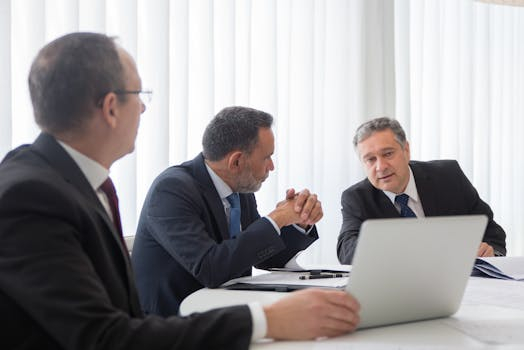
The Rise of Collaborative Work
In the past, offices were designed with the belief that employees would perform best when working in isolation. This resulted in the traditional cubicle model, with walls separating one worker from another. However, this layout soon proved to be isolating and hindered collaboration and communication among employees.
This realization, coupled with the shift towards a more digital and interconnected world, led to the rise of collaborative work. Companies began to embrace open-plan office designs, where employees were no longer confined to individual cubicles, but rather, worked together in a shared and open space.
The Benefits of Collaborative Workspaces
The shift towards collaborative workspaces has been driven by the desire to foster a sense of community and encourage teamwork among employees. These workspaces allow for better communication and idea sharing, leading to increased creativity and productivity.
Collaborative workspaces also promote a more relaxed and informal work environment. This allows for a better work-life balance and can lead to higher job satisfaction and retention rates.
New Approaches to Office Spaces
Along with the rise of collaborative work, we have also seen a greater emphasis on creating flexible and adaptable work environments. The one-size-fits-all approach to office design is a thing of the past. Employers now understand that different employees have different work styles and preferences, and offices need to cater to these individual needs.
This approach has led to the creation of multi-functional workspaces, with a mix of open collaborative areas, private workspaces, and comfortable break out areas. These dynamic and diverse spaces allow employees to work in an environment that suits them best and enhances their productivity.
Technology in Modern Office Spaces
Technology has been a significant enabler of this evolution of office spaces. The rise of mobile devices and cloud-based software has allowed employees to work remotely and flexibly. With this shift, offices have become less of a fixed location and more of a hub for collaboration and face-to-face interaction.
The use of technology has also led to the creation of smart offices, where the physical environment responds to the needs of employees. This can range from adjusting lighting and temperature to creating personalized workspaces through the use of sensors and IoT devices.
The Impact of COVID-19 on Office Spaces
The COVID-19 pandemic has undoubtedly left an indelible mark on the world and has changed the way we work. With social distancing measures and the rise of remote work, the traditional office space has been challenged once again.
The pandemic has highlighted the importance of creating flexible and adaptable workspaces. Employers are now reevaluating their office design to ensure the safety and well-being of their employees. This has resulted in more flexible work arrangements, with a mix of in-office and remote work becoming more common.
The Future of Office Spaces
As we look towards the future, it’s clear that the evolution of office spaces and collaborative work is here to stay. The traditional office as we know it is transforming into a dynamic and flexible space that caters to the needs of employees and promotes a culture of collaboration and innovation.
With the rise of technology and the changing expectations of employees, offices will continue to evolve and adapt. The focus will be on creating a customizable and adaptable environment that fosters collaboration, creativity and enhances productivity. The future is exciting, and only time will tell how the modern office space will continue to evolve.