
Exploring the Specialized World of Costume Design for Film and Theater
If you’ve ever been completely captivated by the costumes on your favorite movie or stage production, you have the talented costume designers to thank for bringing the characters to life through their clothing. Costume design is a crucial aspect of both film and theater, requiring a delicate balance of creativity, research, and technical proficiency. It’s a specialized world that many may not fully understand, but is essential to the success and impact of visual storytelling. In this article, we’ll take a closer look at the intricacies of costume design for film and theater, and why it’s a profession that should not be overlooked.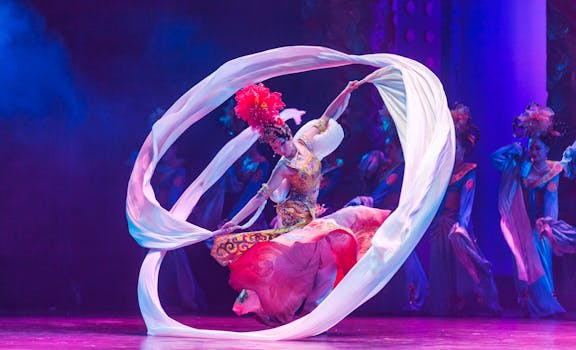
The Importance of Costume Design
Costumes are not just mere clothing, but rather an extension of the character’s personality and an integral part of the overall narrative. They help set the tone, time period, and mood of the production, and contribute to the authenticity and believability of the story being told. In other words, without costuming, the audience’s connection to the characters and their world would not be as strong.
The Role of a Costume Designer
So, who exactly is responsible for bringing these costumes to life? That’s where the costume designer comes in. Costume designers are highly skilled individuals who work closely with the director and other members of the production team to create costumes that align with the vision and objectives of the production. Their job is much more than just designing clothing; they must also consider factors such as the budget, time constraints, and the practicality and functionality of the costumes.
The Creative Process
Designing costumes for film and theater is a highly creative process that requires extensive research, collaboration, and attention to detail. The process usually starts with reading the script and meeting with the director and other members of the production team to discuss their vision and ideas for the costumes. From there, the costume designer begins researching the time period, location, and other important elements to create costumes that are historically accurate and visually appealing.
Creating Sketches and Patterns
Once the research is complete, the costume designer will start creating sketches of their ideas, taking into consideration the characters’ personalities, body types, and functions within the story. As the designs start to come to life, the costume designer will then create patterns and work with a team of seamstresses to bring them to reality. This is a crucial step in the process, as the costumes must fit properly and be comfortable for the actors to wear for long periods of time.
The Technical Side of Costume Design
While creativity is a significant aspect of costume design, there is also a technical side that requires knowledge and skill in areas such as materials, dyeing techniques, and digital design. Costume designers must be familiar with a variety of fabrics and their properties to ensure the costumes have the desired look and feel. They also need to be skilled in techniques such as dyeing, distressing, and painting to achieve the desired visual effects.
Collaboration and Adaptability
As with any production, collaboration is key to success. Costume designers work closely with other members of the production team, such as the set designers and lighting technicians, to ensure everything works together cohesively. They must also be adaptable and able to problem-solve in case of any last-minute changes or unexpected challenges.
The Impact of Costume Design
Now that we know more about the specialized world of costume design for film and theater, it’s clear to see the significant impact it has on visual storytelling. From creating historically accurate period pieces to designing fantasy costumes that transport us to another world, costume design plays a vital role in bringing characters and stories to life.
Recognition and Appreciation
Despite the crucial contributions costume designers make to productions, they often do not receive the recognition they deserve. However, with the rising popularity of award shows specifically for costume and production design, such as the Costume Designers Guild Awards and the Art Directors Guild Awards, there is a growing appreciation for the hard work and talent of these professionals.
In Conclusion
Costume design for film and theater is a specialized world that requires creativity, technical proficiency, and collaboration. Without it, our favorite characters and stories would not feel as authentic and engaging. So the next time you watch a movie or attend a theater production, take a moment to appreciate the incredible work of costume designers and the impact they have on the overall experience.