
Understanding the Global Supply Chain of Textile Sourcing and Production
The global textile industry is a complex and interconnected web of suppliers, manufacturers, and distributors. From the humble cotton plant to the racks of our favorite clothing stores, understanding the supply chain of textile sourcing and production is key to understanding the global economy.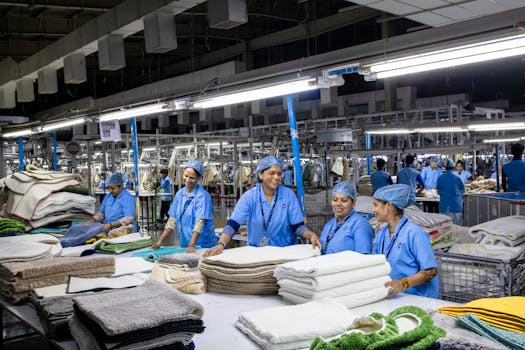
The Textile Supply Chain: An Overview
The textile supply chain refers to the entire process of sourcing raw materials, manufacturing, and distributing textile products. This extensive chain requires coordination and collaboration between various players to ensure that the end product is of high quality and arrives at the intended destination on time.
Sourcing Raw Materials
The first step in the textile supply chain is sourcing the raw materials. This can include natural materials such as cotton, wool, silk, or synthetic fibers like polyester and nylon. The majority of the world’s cotton supply comes from countries like India, China, and the United States. These raw materials are then processed into yarn or fabric, which is then sold to manufacturers.
Manufacturing
Once the raw materials have been sourced, they are sent to manufacturers who are responsible for turning them into finished products. This can include everything from simple t-shirts to complex designer gowns. The manufacturing process can take place in countries with lower labor costs, such as China, Bangladesh, or Vietnam. The finished products are then shipped to various distributors and retailers around the world.
Distribution and Retail
The finished textile products are then distributed to retailers around the world. This can happen through traditional brick-and-mortar stores or online retail platforms. Some retailers may work directly with manufacturers, while others may go through distributors. The supply chain can also include transportation and logistics companies that are responsible for delivering the products to their final destination.
The Global Nature of the Textile Supply Chain
The textile supply chain is truly global, with each step of the process often happening in different countries and continents. This is due in part to the fact that certain countries have access to cheaper raw materials or lower labor costs, making it more efficient and cost-effective for manufacturers to produce their products there. For example, China is the world’s largest textile producer, while countries in Southeast Asia dominate in terms of clothing manufacturing.
Globalization has also played a significant role in the expansion of the textile supply chain. With the rise of e-commerce, companies can now sell their products to customers all over the world, making it even more critical for manufacturers to source materials and produce products at a global scale.
The Impact of Globalization on Textile Sourcing and Production
The globalization of the textile industry has had far-reaching effects on both the economy and society. On the one hand, it has allowed for the creation of jobs and economic growth in developing countries, where companies can take advantage of cheaper labor costs. It has also led to lower prices for consumers as companies can produce goods more efficiently and at a lower cost.
However, the textile supply chain has also faced significant criticism for its negative impact on the environment and labor practices. The production of cotton, for example, is known to be water-intensive and can result in soil degradation. Additionally, concerns have been raised about working conditions and labor exploitation in factories in developing countries.
Conclusion
Understanding the global supply chain of textile sourcing and production is crucial for comprehending how our clothes, linens, and other textile products make their way from raw materials to the finished product. While the globalization of the industry has brought various benefits, it is essential to be aware of its impact on the environment and society and work towards more sustainable and ethical practices in the future.